
In early 2025, the global health financing landscape experienced a historic disruption, marked by an estimated 40% decline in Official Development Assistance (ODA) for health. The ripple effects have been devastating, especially for low- and middle-income countries already grappling with debt and fragile health systems.
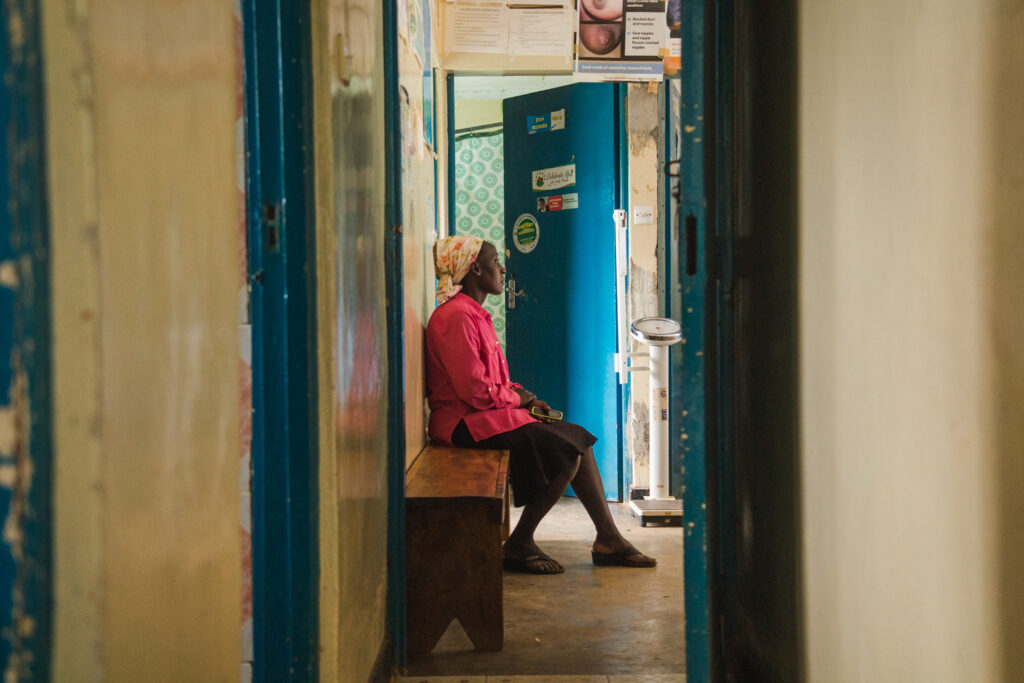
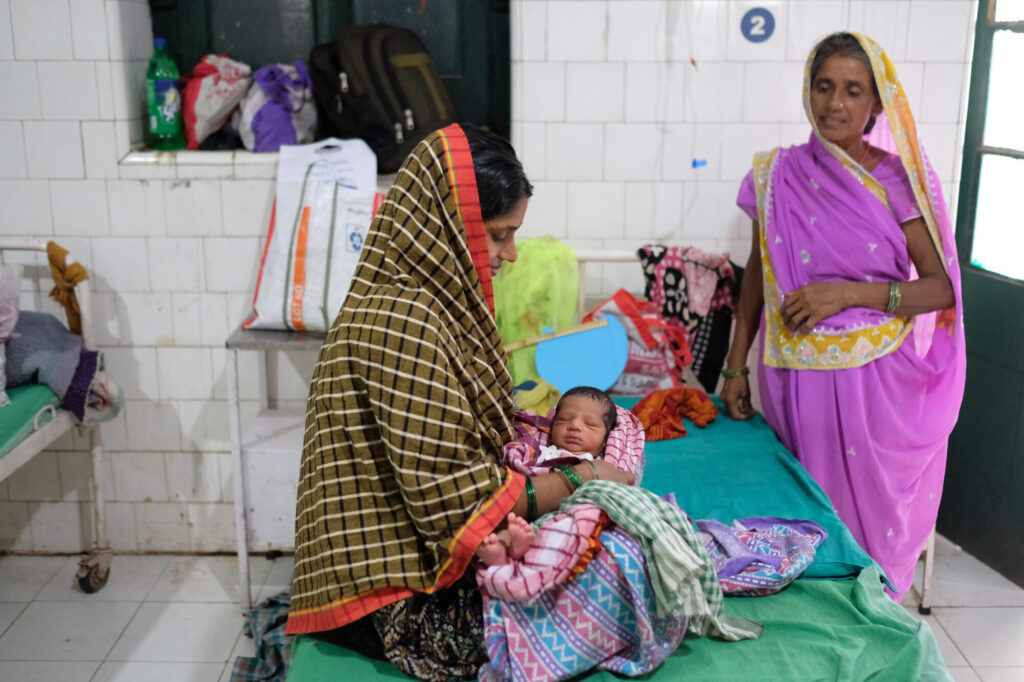
This report and accompanying policy brief present the findings of a mixed-methods assessment examining how the abrupt contraction in funding is impacting maternal health globally. Drawing on stakeholder interviews across global, regional, and national levels, the findings paint a comprehensive picture: widespread service disruptions, rising maternal mortality risks and collapsing community health programs. In addition, the lack of data pertaining to maternal health is acute and will impact the ability to plan and respond to these abrupt changes, causing alarming setbacks to progress made over the past two decades.
Yet, within this crisis lie opportunities. Countries are actively rethinking domestic financing strategies, exploring resilient, locally led solutions, and calling for a shift toward decolonized, country-driven approaches to maternal health. This is a critical inflection point, one that demands bold, coordinated, and equity-focused action.
At Scope Impact, we continue to support efforts to strengthen maternal and reproductive health systems through innovation, whether in service delivery, infrastructure, or by expanding access to self-care.
Read the full report and policy brief to explore the challenges, lessons, and pathways forward.
Back to our work